Packing and load
Pack weight: what to carry, and what each item costs you
Water is a quarter of the pack before any gear goes in it. Here is where the rest of the weight sits, and which items earn their mass on an Australian walk.
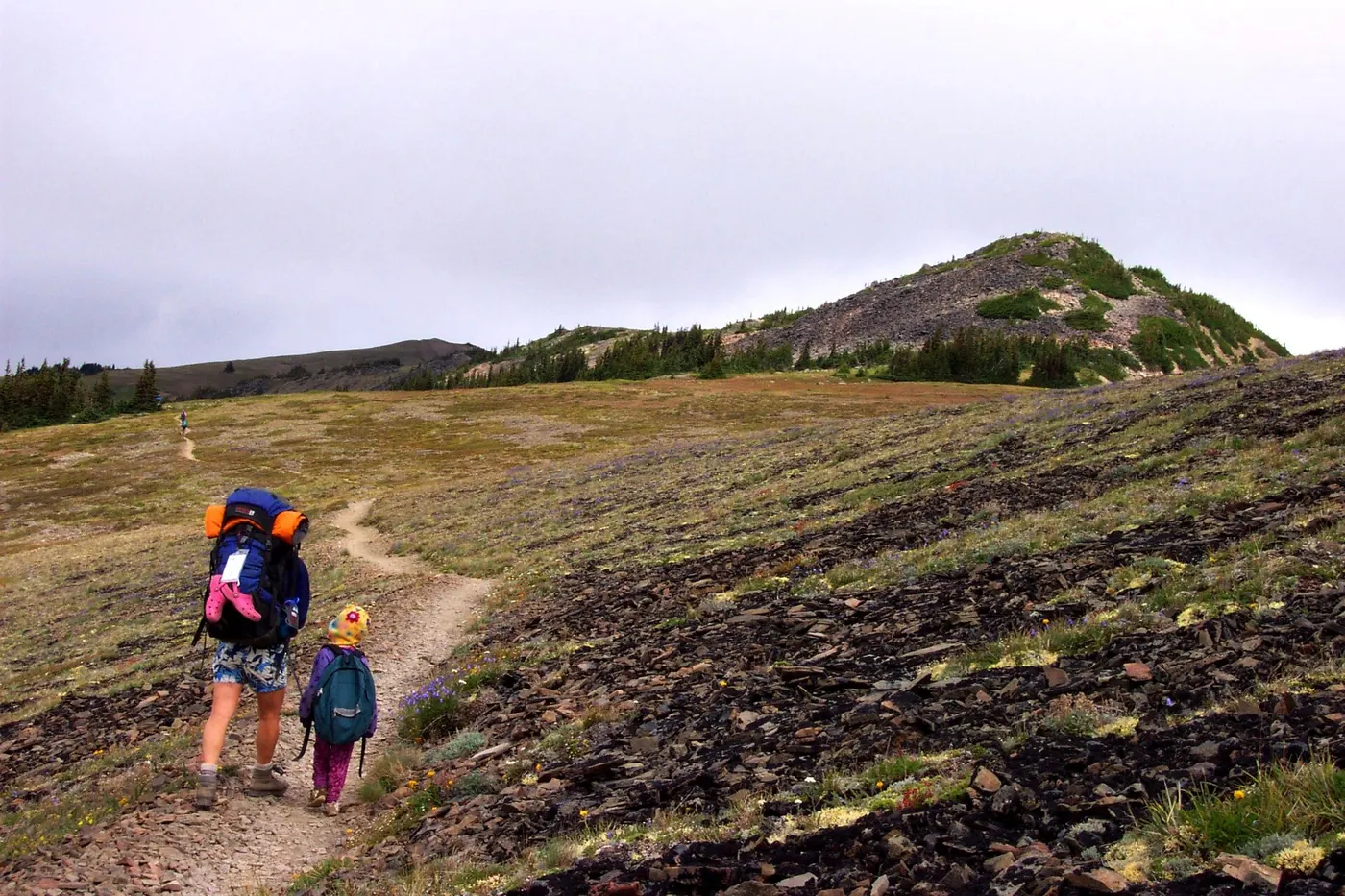
Pack weight arguments usually start at the wrong end, with grams shaved off a stove. The two heaviest things in an Australian day pack are water and the pack itself, and neither responds to the kind of optimisation gear discussions enjoy.
This guide sets out where the mass actually sits, which items earn their place, and what the official advice says you must carry whatever the total comes to. The percentages below all refer to the same 12 kilogram example pack, so they add to 100%.
Water first, because it sets the floor
NSW National Parks tells bushwalkers to carry at least 2 litres of water per person. Parks Victoria puts the figure at 3 to 4 litres per person for a full day on foot. Water weighs 1 kilogram per litre, so the Victorian figure is 3 to 4 kilograms before anything else goes in the pack.
On the 12 kilogram pack used throughout this guide, 3 litres is 25% of the total. No amount of titanium recovers that. What does change it is a reliable water source on the route, which converts carried water into a filter weighing 300 grams plus the 1 litre you hold at any moment.
That single substitution is the largest weight decision available on most Australian walks, and it is a route question rather than a gear question. Check whether the creeks on your route run in the month you are walking before you decide how much to carry.
| Item | Example mass | Share of 12 kg |
|---|---|---|
| Water, 3 litres | 3.0 kg | 25% |
| Pack itself | 1.8 kg | 15% |
| Tent, two-person, shared load | 1.6 kg | 13% |
| Clothing and wet weather layer | 1.6 kg | 13% |
| Food, 2 days | 1.4 kg | 12% |
| Sleeping bag | 0.9 kg | 8% |
| First aid, torch, map, beacon | 0.7 kg | 6% |
| Sleeping mat | 0.5 kg | 4% |
| Stove and 230 gram canister | 0.5 kg | 4% |
The masses sum to 12.0 kilograms and the shares sum to 100%. Substitute your own masses in the pack-weight calculator on this site; the shares recompute from whatever total you enter.
The items that are not negotiable
NSW National Parks asks walkers to carry a topographic map and compass, matches and a torch, a first aid kit, waterproof and windproof clothing, a hat, sunscreen and insect repellent, and to walk in groups of 3 or more people. On remote walks it recommends carrying a personal locator beacon as a last resort.
Together those items are the 0.7 kilogram line and part of the 1.6 kilogram clothing line in the table, about 19% of the pack. They are also the items most often left behind on a fine morning, which is the pattern behind the search statistics: the Think Before You TREK material notes that around 130 bushwalkers get lost or need rescuing in the Blue Mountains area each year, with most found within 24 hours.
A beacon does not have to be bought. NSW National Parks lists locations where a personal locator beacon can be hired for free, which turns a several-hundred-dollar purchase into a pick-up on the way to the trailhead for walkers who go out a few times a year.
- At least 2 litres of water per person, and 3 to 4 litres for a full day on foot
- Topographic map and compass, with the skill to use them
- Matches and a torch, carried whether or not you intend to be out after dark
- First aid kit, waterproof and windproof clothing, hat, sunscreen, insect repellent
- A trip intention form left with someone who will notice you are late
- A personal locator beacon on remote walks, hired free from listed NSW locations if you do not own one
What a kilogram is worth in money
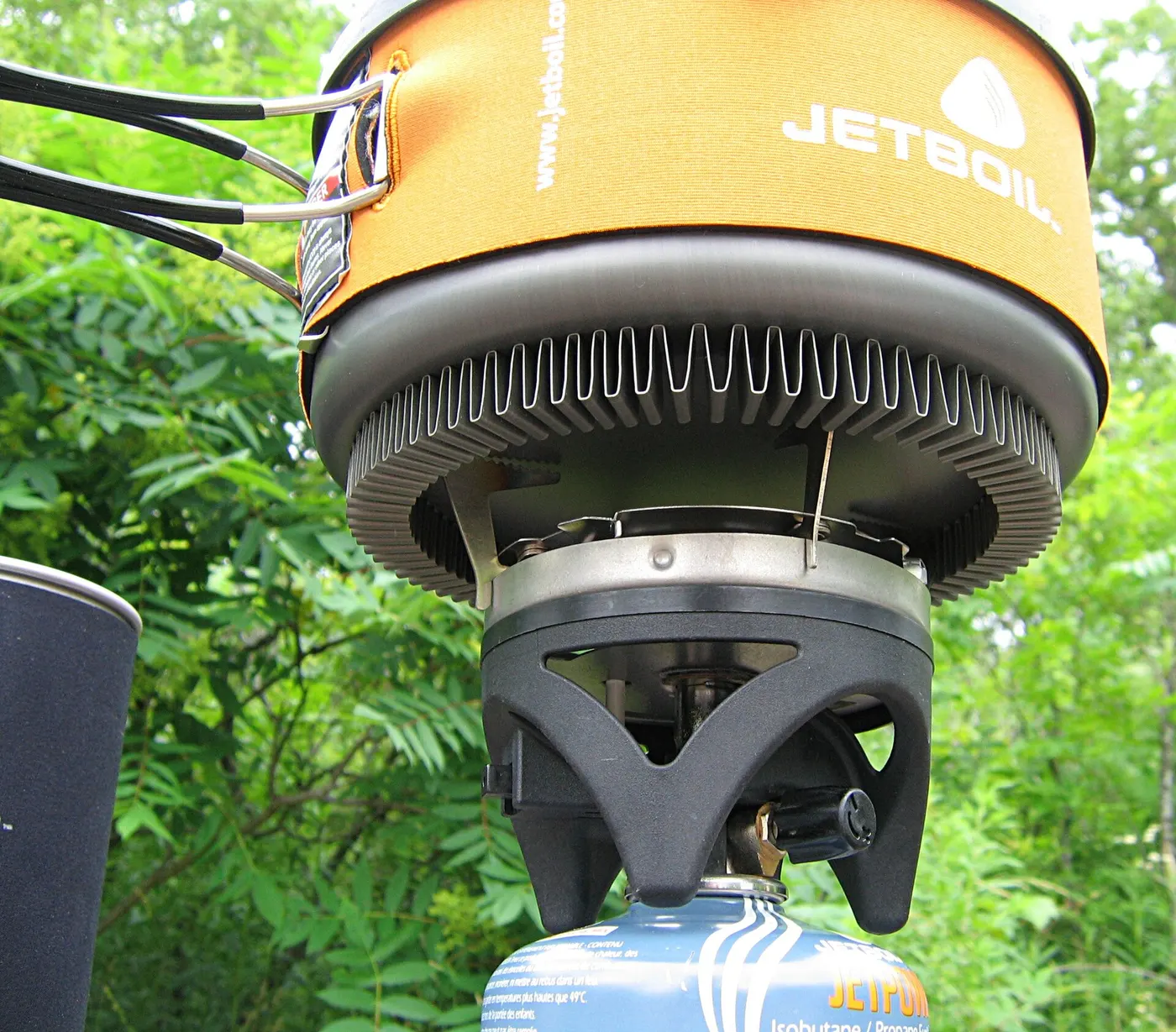
Weight reduction has a price curve, and it steepens sharply. Going from a 1.8 kilogram pack to a 1.2 kilogram one commonly costs about $180 for 600 grams, which is $300 a kilogram. Going from a 1.6 kilogram tent to a 1.0 kilogram one commonly costs about $600 for the same 600 grams, which is $1,000 a kilogram.
Set against that, pouring out 1 litre of water you did not need is free and saves 1 kilogram. So is leaving the second pair of trousers at home. The cheapest kilograms are always the ones already in the pack, which is why weighing the loaded pack before a trip tells you more than any product comparison.
If you do spend, spend on the pack and the shelter in that order, because those two are 28% of the example total between them. The stove and mat together are 8%, and no plausible saving there changes how a day feels.
| Change | Weight saved | Example cost | Cost per kilogram |
|---|---|---|---|
| Lighter pack, 1.8 kg to 1.2 kg | 600 g | about $180 | about $300 |
| Lighter tent, 1.6 kg to 1.0 kg | 600 g | about $600 | about $1,000 |
| Lighter bag at the same comfort rating | 300 g | about $250 | about $833 |
| Carry 1 litre less water where a source is reliable | 1,000 g | $0 | $0 |
| Leave one spare clothing layer behind | 350 g | $0 | $0 |
The last two rows are the reason weighing the pack beats shopping. Example figures with a check date, not offers.
Loading the pack so the weight behaves
Where mass sits changes how heavy it feels. The heaviest items, which on the table above means the water and the food, belong against your back at roughly shoulder-blade height. Put them low and the pack pulls you backwards; put them high and it pulls you off balance on uneven ground.
Sleeping gear goes in the bottom because it is light and bulky and you do not need it until camp. The wet weather layer, the map and the first aid kit go in the lid or a hip pocket, because an item you have to unpack the whole bag to reach is an item you will not use when it starts raining.
Then take 10 minutes in the driveway with the loaded pack on before you drive anywhere. Most hip belt and shoulder strap adjustments that matter are obvious in the first 200 steps and invisible when the pack is sitting on the floor.
- Weigh the loaded pack before the trip and write the figure down
- Pack water and food against your back at shoulder-blade height
- Put sleeping gear in the bottom and wet weather gear in the lid
- Walk 200 steps with it loaded and adjust the hip belt before you leave
- Fill in a trip intention form and leave it with someone who will act on it
Before you buy
- Decide the water load first: at least 2 litres per person, 3 to 4 litres for a full day
- Check whether a reliable water source lets you carry a filter instead
- Weigh the loaded pack and record the figure after every trip
- Carry map, compass, torch, matches, first aid and wet weather gear regardless of forecast
- Hire a personal locator beacon free from a listed NSW location for remote walks
- Pack the heaviest items against your back at shoulder-blade height
- Leave a trip intention form with someone who will notice you are overdue
Questions readers ask
- What percentage of body weight should a pack be?
- The figures quoted in walking circles run from a fifth to a quarter of body weight, but they are rules of thumb rather than published standards. The more useful test is the 12 kilogram breakdown above: if water is 25% and the pack itself is 15%, you already know which 40% of the load no gear purchase will remove.
- Is a water filter worth carrying instead of more water?
- It is when the route has a reliable source. A filter of about 300 grams replaces each litre you would otherwise carry, and 1 litre is 1 kilogram. On the 12 kilogram example, filtering rather than carrying 2 extra litres cuts the pack by about 1.7 kilograms net, which is more than any tent upgrade at any price.
- Do I need a beacon for a day walk on a marked track?
- NSW National Parks recommends a personal locator beacon for walks that head well off the beaten track rather than for every marked trail. The Think Before You TREK material notes that around 130 people a year get lost or need rescuing in the Blue Mountains area, with most found within 24 hours, which is the risk the beacon shortens.
- How much food should I count per day?
- The table uses 1.4 kilograms for 2 days, which is 700 grams a person a day of dry and packaged food. That is a planning figure rather than a nutritional one, and it is enough for most walkers on moderate terrain. Repackaging out of retail boxes commonly removes 10% of that mass before you leave home.
- Should I weigh the pack empty or loaded?
- Both, once. The empty figure tells you what 15% of the example total is being spent on the carrying system itself; the loaded figure is the one that decides your day. Write the loaded figure down after each trip alongside the conditions, and after 3 or 4 trips you will know your own working total.
Sources
- NSW National Parks and Wildlife Service — Bushwalking safety: what to take, group size and beacons — checked 2026-11-03
- NSW National Parks and Wildlife Service — Think Before You TREK: trip intention forms, free PLB hire, Blue Mountains rescue numbers — checked 2026-11-03
- Parks Victoria — Top tips for enjoying a safe hike (3 to 4 litres of water per person for a full day) — checked 2026-11-03
Some links on this site can earn us a commission. That does not change which product a guide recommends, and it adds nothing to your price. Advertising is not enabled on this site yet. When it is, ads will be labelled and kept visually separate from the guides.