Conditions
The EN rating on a sleeping bag: what comfort, limit and extreme actually describe
What the EN rating on a sleeping bag measures, why it prints three temperatures instead of one, and which of them applies to you.
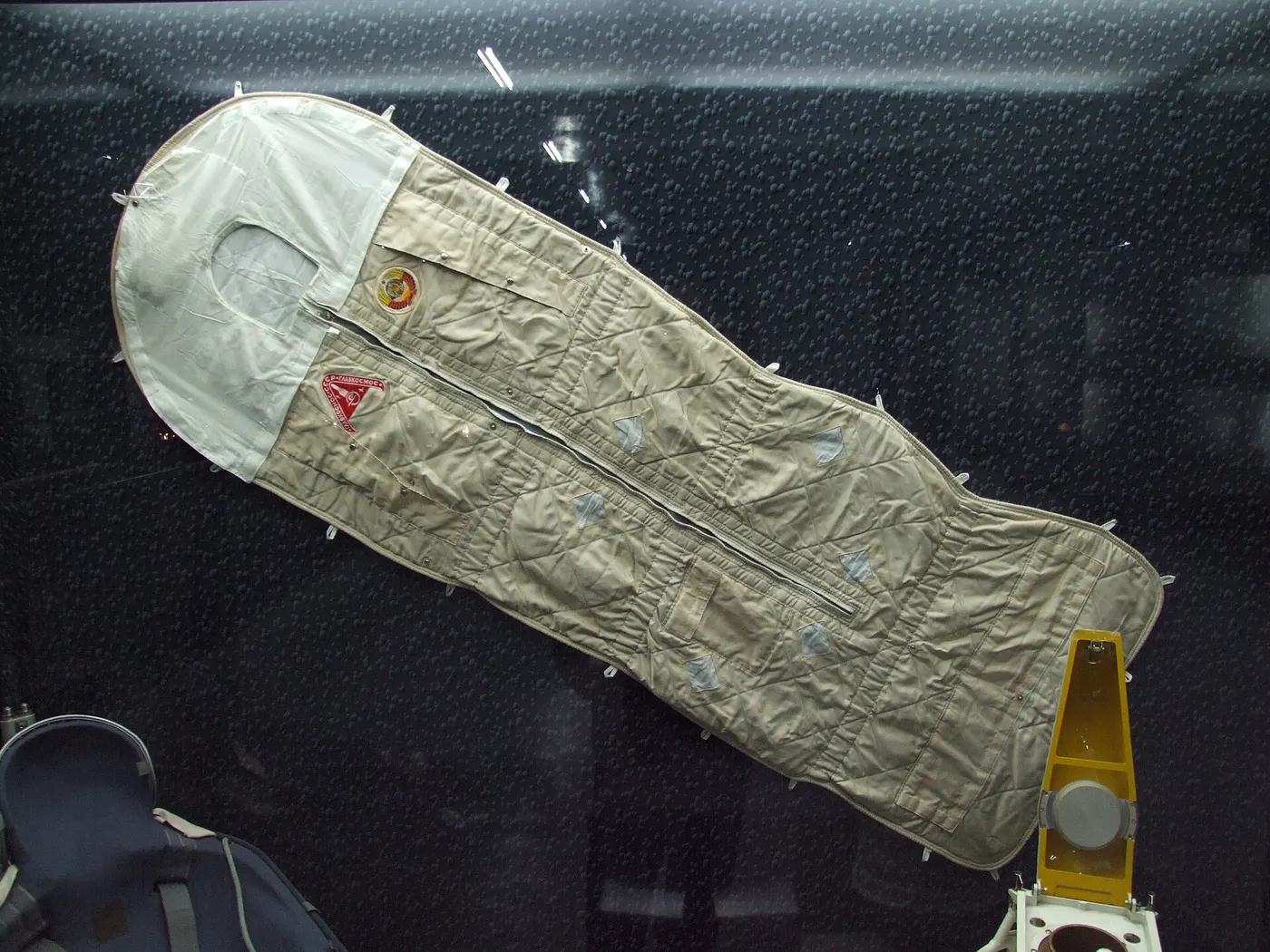
The EN rating on a sleeping bag confuses people because it prints several numbers where buyers expect one. The figures come from a standardised laboratory test rather than from a manufacturer's judgement, and each one answers a different question. Knowing which number applies to you is the whole of the decision.
Where the numbers come from
The EN rating originated as a European standard and is now maintained internationally as ISO 23537. A heated mannequin, dressed and laid on a defined mat inside the bag, is held in a climate chamber while heat loss is measured. From that measurement the test derives the temperatures printed on the label.
The important consequence is that the figures are comparable between bags tested the same way. They are not a prediction about you. The test uses a reference sleeper on reference equipment, and your own result moves with what you wear, what you sleep on and how recently you have eaten.
It helps to see what the test is actually controlling for. Before the standard existed, every manufacturer published a temperature derived from its own judgement, and nothing stopped two bags with identical construction carrying figures ten degrees apart. A buyer comparing them was comparing marketing departments rather than products. The standardised method removes that variable by fixing the mannequin, its clothing, the mat and the chamber, so that whatever difference remains between two tested bags is a difference in the bags.
What the method cannot do is tell you how you sleep. That is not a weakness in the standard, it is the reason the standard publishes more than one figure. Two reference sleepers are defined precisely because the same bag at the same temperature produces different experiences, and the label is honest about that by refusing to collapse it into a single number.
Comfort, limit and extreme describe three different situations
Comfort is the temperature at which a reference adult woman is expected to sleep relaxed without waking cold. Limit is the temperature at which a reference adult man is expected to sleep curled rather than relaxed. Extreme is a survival figure describing the point at which a risk of hypothermia begins, not a temperature anyone should plan to sleep at.
The gap between comfort and limit on the same label is usually several degrees, which is why quoting a bag by a single number is misleading. A bag sold on its limit figure will feel colder than the same bag quoted on comfort, and both numbers are correct.
| Printed figure | Reference sleeper | What it describes |
|---|---|---|
| Comfort | Standard adult woman | Sleeping relaxed without waking cold |
| Limit | Standard adult man | Sleeping curled, still without waking cold |
| Extreme | Standard adult woman | Survival only, risk of hypothermia begins |
Use comfort as the planning figure unless you know from experience that you sleep warm. Extreme is not a rating to shop by.
The mat under the bag is part of the rating
The test places the mannequin on a mat with a defined insulating value, because the ground removes heat faster than the air does. Compressed insulation beneath you does very little, which is why the mat rather than the bag often decides whether a night is cold.
If you pair a bag rated under the standard with a thinner mat than the test used, you will not reach the printed temperatures. This is the single most common reason a correctly rated bag underperforms, and it is a fault in the pairing rather than in the bag.
- Insulation under the body is compressed and contributes little, whatever its thickness in the hand
- The standardised test assumes a mat with a defined insulating value
- A thinner mat shifts the real comfort temperature upward from the label
- Mats carry their own insulation figure, which is the number to compare
What moves your own figure away from the label
Sleeping warm or cold is individual, and the standard does not pretend otherwise by publishing two reference sleepers. Beyond that, several ordinary factors move the result: what you wear inside the bag, how well the hood and collar close, humidity in the bag after several nights, and whether you went to bed fed and hydrated.
None of these is a defect. They are the reason the standard exists: it removes the manufacturer's judgement from the comparison so that the remaining variation is yours rather than theirs.
Humidity deserves a paragraph of its own because it is the factor that surprises people on longer trips. Insulation works by holding still air, and moisture from the body migrates into the fill over successive nights. A bag that performed correctly on the first night can be measurably cooler by the fourth, with no change in the weather and no fault in the bag. Airing it during the day when conditions allow is the only practical countermeasure, and it is why experienced users treat a multi-day trip as a different problem from a single night out.
- Clothing worn inside the bag, which the test fixes and you do not
- Whether the hood and neck collar are actually closed
- Moisture accumulated in the insulation over consecutive nights
- Food and hydration before sleeping
Reading a label without a standardised rating
Not every bag is tested. Some carry a single manufacturer figure with no reference to the standard, and that number is not comparable with a tested one. It may be optimistic, conservative or accurate, and the label gives you no way to tell.
Standards Australia maintains the national catalogue of adopted standards, which is where to check what applies locally. When a bag carries no standardised figure, treat the quoted temperature as a claim rather than a measurement, and weight your decision toward fill weight and construction instead.
Choosing by the right number
The sequence that works is to plan on comfort, pair the mat deliberately, and treat untested figures as uncomparable.
- Find the coldest night you realistically expect, not the coldest you can imagine
- Shop on the comfort figure, not on limit and never on extreme
- Check the mat's own insulation figure and pair it deliberately with the bag
- If a bag quotes no standardised rating, compare fill weight and construction instead
- Expect your own result to move with clothing, closure and consecutive nights out
Before you buy
- Decide the coldest night you actually expect before looking at any label
- Read the comfort figure and ignore extreme entirely when comparing bags
- Check the mat's insulation figure and treat the bag and mat as one system
- Treat any temperature quoted without reference to the standard as uncomparable
- Allow for clothing, hood closure and consecutive nights when planning a margin
Questions readers ask
- Which number should I shop by?
- Comfort, unless you know from experience that you sleep warm. Limit describes a curled sleeper and extreme is a survival figure that should not be used for planning.
- Why do two people disagree about the same bag?
- Because the standard uses two reference sleepers precisely because people differ. Clothing, closure of the hood and the mat beneath all move the result as well.
- Does the mat really matter that much?
- Yes. Insulation compressed under the body contributes little, and the standardised test assumes a mat with a defined insulating value. A thinner mat shifts the usable temperature upward.
Sources
- Standards Australia — standards catalogue — checked 2026-11-06
- healthdirect Australia — hypothermia — checked 2026-11-06
Some links on this site can earn us a commission. That does not change which product a guide recommends, and it adds nothing to your price. Advertising is not enabled on this site yet. When it is, ads will be labelled and kept visually separate from the guides.