How to choose
Choosing a tent and sleeping system for Australian conditions
Four decisions settle a tent and sleeping bag for Australian trips: the coldest night you will sleep out, floor area per person, the bag rating and the mat.
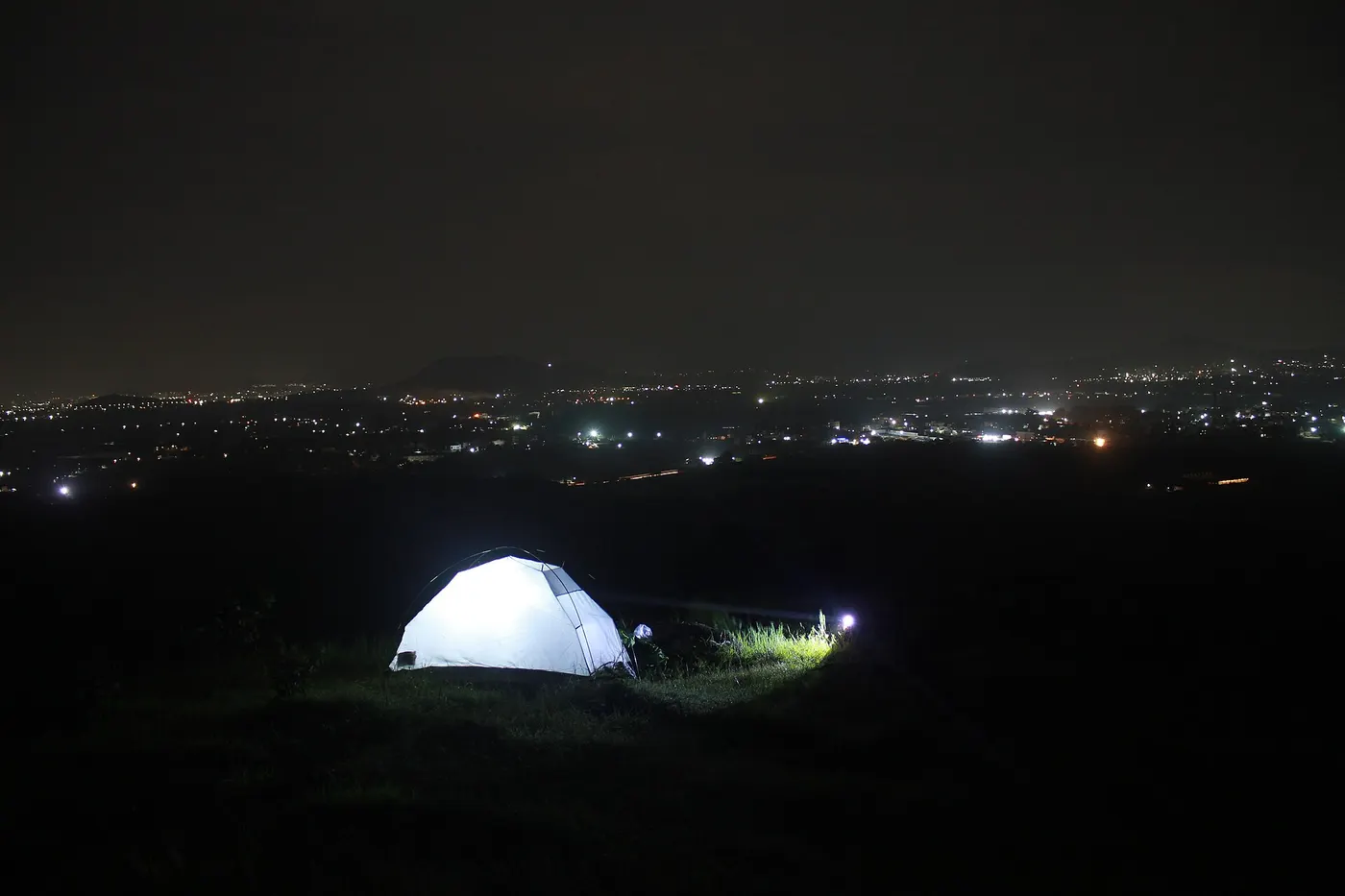
Most regretted camping purchases in Australia are the same mistake in different shapes: the kit was bought for the trip the buyer imagined rather than the trip they take. A tent chosen for a still autumn weekend goes to a windy coastal site in October. A summer-weight bag goes to the tablelands, where the overnight minimum is ten degrees below the daytime maximum.
This guide works through the four decisions in the order that actually settles them: temperature first, then floor area, then the bag's published rating, then the mat under it. Every price in it is an example checked on 2026-11-03, not a quoted price. This site has no price feed and sells nothing.
Start from the coldest night, not the average
The single number that decides your sleeping system is the lowest overnight temperature you will be exposed to, and in most of inland and southern Australia that figure is a long way below the daytime one. A site at 900 metres in the Snowy Mountains or the Victorian high country can sit near freezing in January, while the same trip is 28 degrees at lunchtime.
Work it out before you shop. Write down the three or four places you expect to camp in the next 2 years and the months you would go. The coldest of those overnight figures is the one your bag has to cover. If the answer is a single trip a year that is much colder than the rest, a liner at about $60 or a second mat is cheaper than buying the colder bag for every trip.
The tent matters less here than people assume. A tent slows wind and keeps rain off; it adds very little warmth on its own. Buyers who spend $200 more on the tent and $0 more on the bag usually end up cold in the same conditions they were cold in before.
| Step up | Typical extra cost | What it changes | Worth it when |
|---|---|---|---|
| Bag comfort 5 to comfort 0 | about $150 | Usable on frosty nights inland and at altitude | You camp outside the warm months at all |
| Uninsulated mat to insulated mat | about $120 | Stops ground conduction, the larger heat loss | Every trip below about 10 degrees overnight |
| Three-season tent to a stronger-poled one | about $250 | Holds shape in sustained wind | Exposed coastal or alpine sites |
| Silk or fleece liner | about $60 | Adds a few degrees and keeps the bag clean | One cold trip a year out of several |
These are example gaps between products at the same retailer level, not offers. Put your own two candidate prices into the cost-per-use calculator on this site to see what each gap costs you per trip.
Floor area is per person, and the label is optimistic
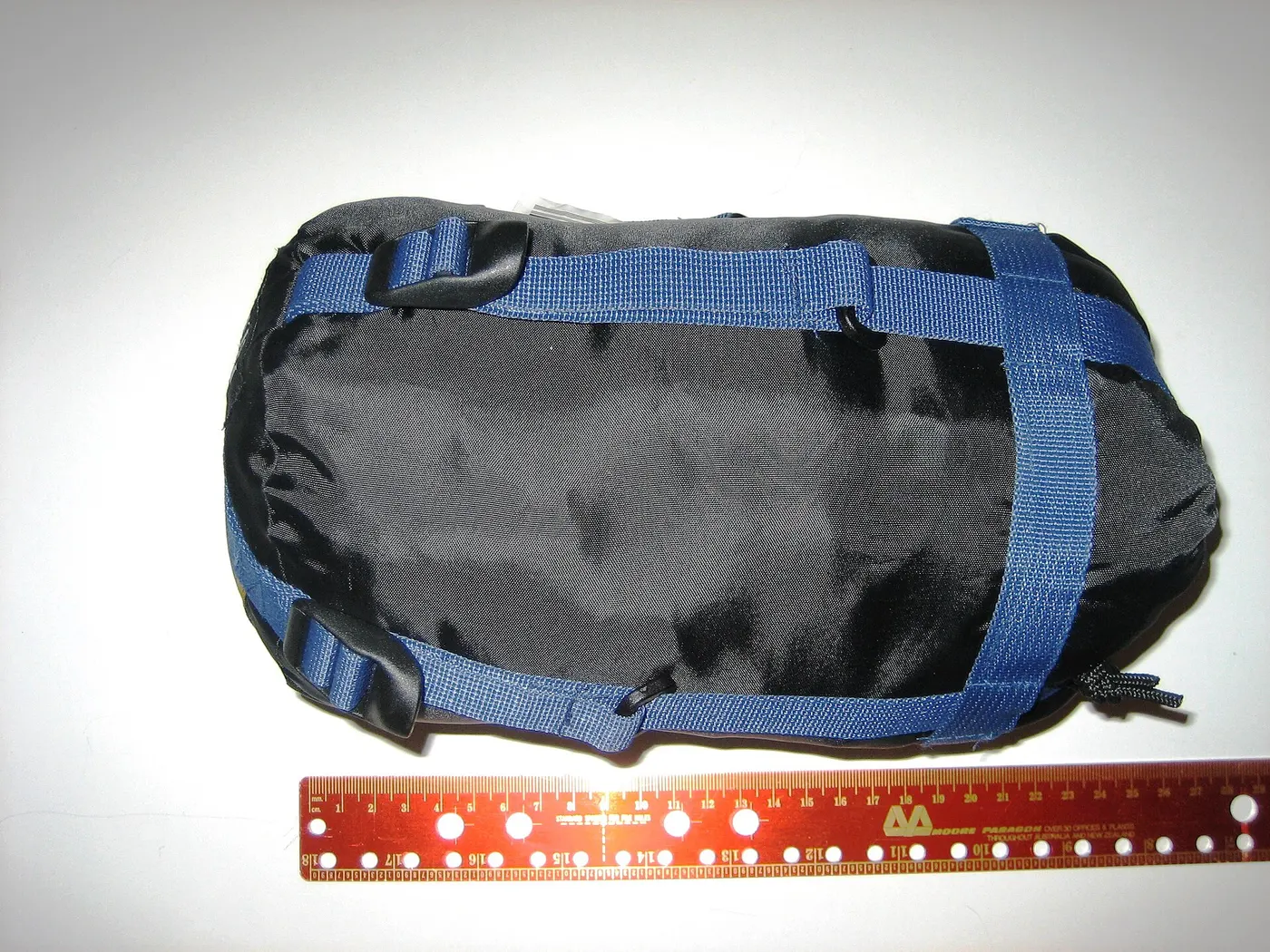
A tent sold as a two-person tent gives two adults a width of roughly 120 to 130 centimetres between them. That is enough to sleep and nothing else. If either of you turns over at night, or you expect to sit out a wet afternoon inside, the honest capacity is one person fewer than the label.
The practical rule is to treat the rating as a sleeping count, not a living count. Two people who want room for packs inside buy the three-person tent; a family of 4 people who want to play cards in the rain buy the six. The weight penalty is real on a walk-in trip and almost irrelevant on a drive-in one, which is why the question of how you arrive comes before the question of how big.
Measure the vestibule separately. A vestibule that takes two packs and two pairs of boots keeps mud out of the sleeping area and is the difference between a tent you can live in for 3 days of rain and one you can only sleep in.
- Two adults who want packs inside: buy the three-person tent
- Drive-in camping with no weight limit: buy one size larger than the sleeping count
- Walk-in trips: every extra person-size costs roughly 400 to 600 grams of carried tent
- Check the vestibule depth, not just the floor plan, before comparing two tents
- A free-standing dome can be lifted and moved after you see where water runs; a tunnel tent cannot
What the two temperatures on a sleeping bag mean
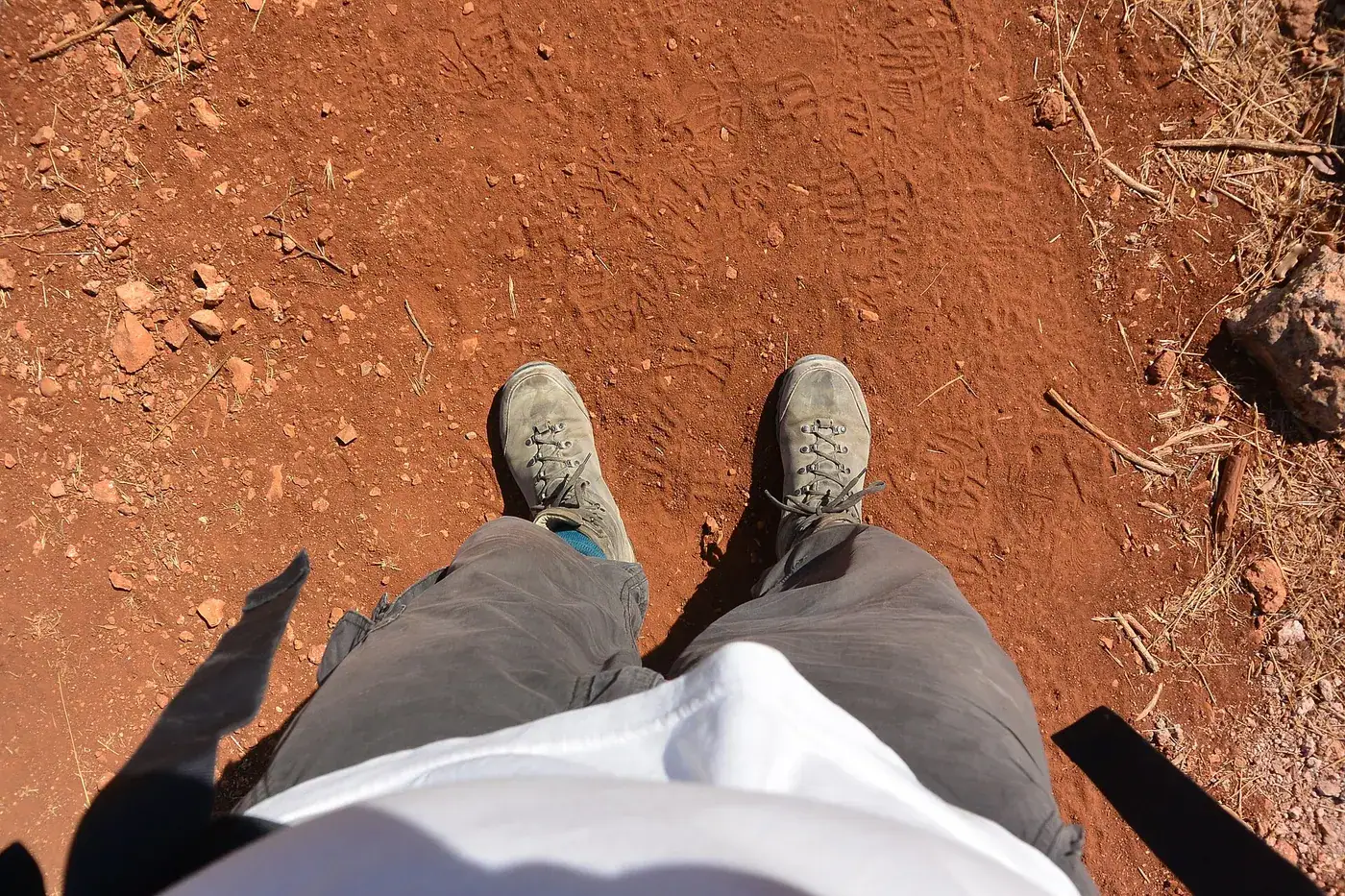
Most bags sold in Australia print two temperatures on the label: a comfort figure and a lower limit figure. The comfort figure is the one to buy on. The limit figure describes a colder night that is survivable rather than restful, and buying to it is the most common reason people describe a bag as 'not as warm as it said'.
Those ratings come from a laboratory test method with a standard mat, a standard sleeping garment and a mannequin, which is why your own result moves with the mat you put underneath. Standards Australia sells Australian and joint standards rather than publishing them free, and offers subscriptions and a public access reader room instead, so for most buyers the manufacturer's printed figure is the only published number available at the point of sale.
Down and synthetic fill behave differently when wet rather than when cold. Down packs smaller and lasts longer for the same warmth; synthetic keeps more of its loft damp and costs less to replace. On a coastal trip in humid weather the gap narrows considerably, which is why the fill question should be settled after the temperature question, not before it.
| On the label | What it tells you | What it does not tell you |
|---|---|---|
| Comfort rating | The temperature most sleepers stay warm at | Nothing about your mat, which changes the result |
| Lower limit rating | A colder night that is survivable, not restful | That it is the number to buy on |
| Fill power or fill weight | How much insulation is in the bag | How the bag performs after 5 years of compression |
| Packed size | Whether it fits your pack | Loft, which is what actually keeps you warm |
The mat is half the system and usually the cheap half
Ground conduction takes more heat out of a sleeper than air does, because the bag's insulation is crushed flat underneath you and stops working there. A $280 bag on a foam mat with no insulation value is a colder night than a $180 bag on an insulated mat, and the second combination costs less.
Treat the mat as part of the bag's rating rather than as an accessory. If you are buying both at once on a $500 total, roughly $300 to the bag and $200 to the mat survives colder nights than $420 and $80. That split is a planning ratio, not a rule, and the point is only that the mat share should be a third or more.
Inflatable mats puncture; closed-cell foam does not. On a trip where a failed mat ends the trip, a foam mat carried as well costs about $45 and 350 grams. Many walkers carry both for exactly that reason.
- Decide the coldest overnight temperature you will sleep out in over the next 2 years
- Choose the bag by its comfort rating at that temperature, not its limit rating
- Allocate at least a third of the bag-and-mat budget to the mat
- Choose the tent size by sleeping count plus one if packs come inside
- Add a liner only if one trip a year is much colder than the rest
Where the rest of the kit fits in
NSW National Parks tells bushwalkers to carry at least 2 litres of water per person, to walk in groups of 3 or more people, and to carry a personal locator beacon as a last resort on remote walks. Those three lines set more of your kit list than any tent review does, because water and the beacon are mass you cannot trade away.
Parks Victoria puts the figure higher for a full day on foot, at 3 to 4 litres of water per person. Three litres is 3 kilograms, which on a 12 kilogram pack is a quarter of the total weight before any gear is counted at all. That is the arithmetic the pack-weight calculator on this site works through.
Settle the sleeping system first, then build the rest of the list around what is left of the weight and the money. The order matters because the bag and mat are the items people most often replace twice.
Before you buy
- Write down the lowest overnight temperature you will camp in over the next 2 years
- Compare bags on their comfort rating and ignore the limit rating when budgeting
- Allocate at least a third of the bag-and-mat money to an insulated mat
- Add one to the tent's sleeping count if packs and boots come inside
- Measure the vestibule depth on both tents you are comparing
- Check whether the seller trades in Australia before relying on a warranty
- Plan to carry at least 2 litres of water per person, and 3 to 4 litres on a full day walk
Questions readers ask
- Is a four-season tent worth it for Australian camping?
- Only if you camp above the snowline or on exposed coast in winter. A four-season tent adds roughly $250 and 700 grams for strength in sustained wind and snow loading, neither of which most Australian trips produce. The money usually does more in the bag and mat, which affect every night rather than a handful.
- Can I use a summer bag with extra clothing instead of buying a warmer one?
- Up to a point. Clothing inside a bag compresses the fill and reduces its loft, so a jacket worn inside a thin bag gains less than the same jacket does in a roomier one. A liner at about $60 is more effective per dollar, and an insulated mat at about $120 is more effective again, because ground loss is the larger of the two.
- How long should a tent and bag last?
- A tent that is dried before storage commonly reaches 8 to 10 years of occasional use; the fly coating and the zips fail before the poles do. A down bag stored uncompressed can pass 10 years, while one left in its stuff sack loses loft in 3 or 4. Storage, not usage, decides most of that gap.
- Does the two-person rating mean two adults?
- It means two adults lying side by side with no room for packs, usually about 120 to 130 centimetres of shared width. For two adults who want packs and boots under cover, the three-person size is the honest equivalent, at a cost of roughly 400 to 600 grams more carried weight.
- What should I check before buying from an overseas seller?
- Australian consumer guarantees apply automatically to products bought from a business trading in Australia, and Consumer Affairs Victoria sets the consumer threshold at products costing up to $100,000. A seller with no Australian presence is outside that, so a warranty claim on a $600 tent becomes a freight problem rather than a counter problem.
Sources
- NSW National Parks and Wildlife Service — Bushwalking safety (water, group size, personal locator beacons) — checked 2026-11-03
- Parks Victoria — Top tips for enjoying a safe hike (3 to 4 litres of water per person for a full day) — checked 2026-11-03
- Standards Australia — how Australian Standards are purchased, subscribed to or read in the public access reader room — checked 2026-11-03
- Consumer Affairs Victoria — consumer guarantees that apply automatically, including the $100,000 consumer threshold — checked 2026-11-03
Some links on this site can earn us a commission. That does not change which product a guide recommends, and it adds nothing to your price. Advertising is not enabled on this site yet. When it is, ads will be labelled and kept visually separate from the guides.